The Influence of Emotion in Gambling
Emotion plays a pivotal role in the decisions players make when choosing casino games. Many individuals are driven by excitement and the thrill of potential winnings, which can lead them to favor high-stakes games or those with flashy graphics. The adrenaline rush experienced during gameplay can create a psychological connection to certain games, making them more appealing than others. Players may discover their preferences while exploring online casinos that offer an array of gaming options.
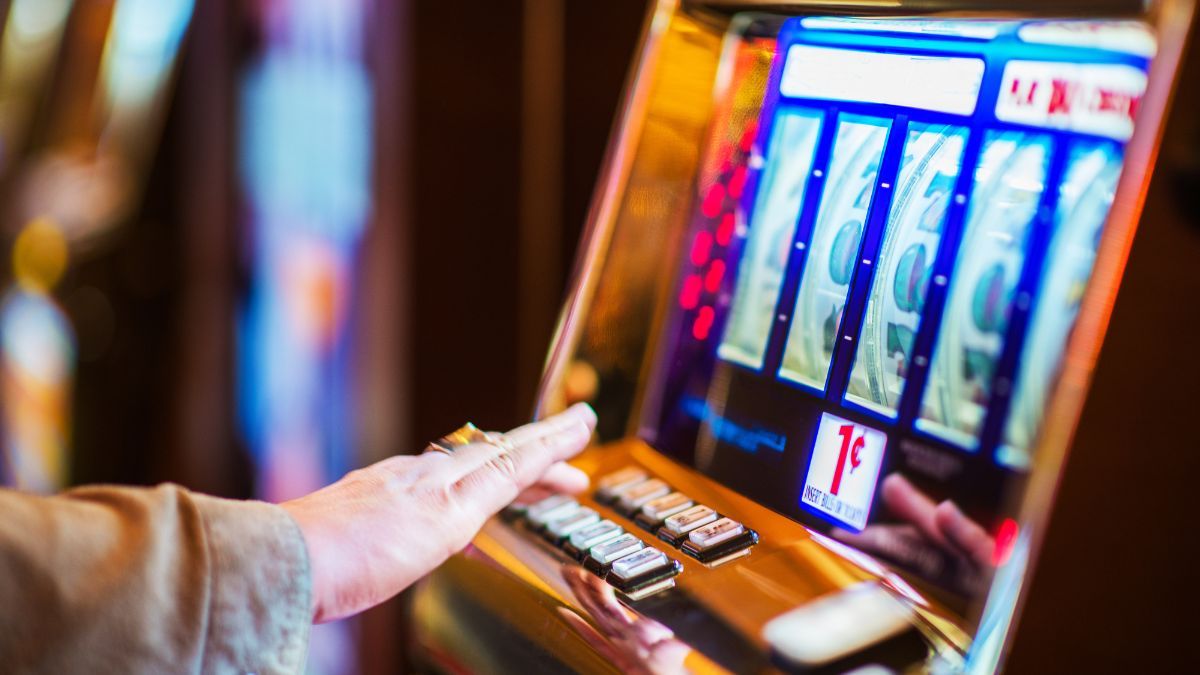
This emotional engagement often leads players to overlook the odds and risks associated with their choices. For instance, a player might gravitate toward a game with vibrant themes and engaging sound effects, prioritizing their emotional response over the game’s actual payout percentages. Understanding these emotional triggers can help players make more informed choices while also enhancing their overall gambling experience.
Cognitive Biases at Play
Cognitive biases significantly influence how players perceive and select casino games. One common bias is the illusion of control, wherein players believe they can influence the outcome of games that are fundamentally based on chance, such as slots or roulette. This belief can lead them to favored games that they think they can ‘control’, despite the random nature of these games.
Another prevalent cognitive distortion is the gambler’s fallacy, the notion that past outcomes will affect future results. Players may choose specific games based on previous results, thinking that a game is “due” for a win. Recognizing these biases is crucial for players who want to make rational decisions rather than impulsive ones based on flawed reasoning.
The Role of Social Factors
Social influences are another critical factor in the choices players make regarding casino games. Peer pressure or recommendations from friends can lead players to try specific games or platforms. Social interaction in casinos, whether online or offline, often enhances the excitement of gambling, resulting in a preference for games that foster social connections, such as poker or live dealer games.
Furthermore, many players enjoy sharing their experiences and successes with friends and family. This can result in a cycle where popular games are favored simply because they are trendy or well-reviewed within a social circle. The desire for social validation can significantly impact a player’s choice of games.
The Impact of Game Design
Casino games are meticulously designed to capture and retain player attention. Elements such as graphics, sound, and gameplay mechanics are carefully crafted to enhance the player’s experience. For example, games with immersive storylines and engaging visuals tend to attract players more effectively than simpler or less visually appealing options.
Additionally, the use of reward systems and bonuses plays a crucial role in game choice. Players are naturally drawn to games that offer frequent rewards, whether through bonuses, free spins, or progressive jackpots. This gamification of gambling incentivizes players to continue participating, influencing their game selections toward those that promise higher engagement and potential rewards.

How Our Website Can Enhance Your Gambling Experience
Our website serves as a valuable resource for players looking to make informed choices about their gambling experiences. By providing detailed comparisons of various online casinos, we help players understand the nuances of different games and platforms. Our expert insights focus on elements such as game variety, payout rates, and player reviews, allowing individuals to align their choices with personal preferences and informed strategies.
Moreover, we prioritize user experience by highlighting casinos that offer enticing bonuses and fast withdrawals, ensuring players get real value beyond mere welcome offers. Our goal is to help you navigate the exciting world of online gambling with confidence, ultimately enhancing your enjoyment and potential for success in choosing the right games.